About FWD-Doc
Filmmakers With Disabilities and actively engaged allied filmmakers
MISSION
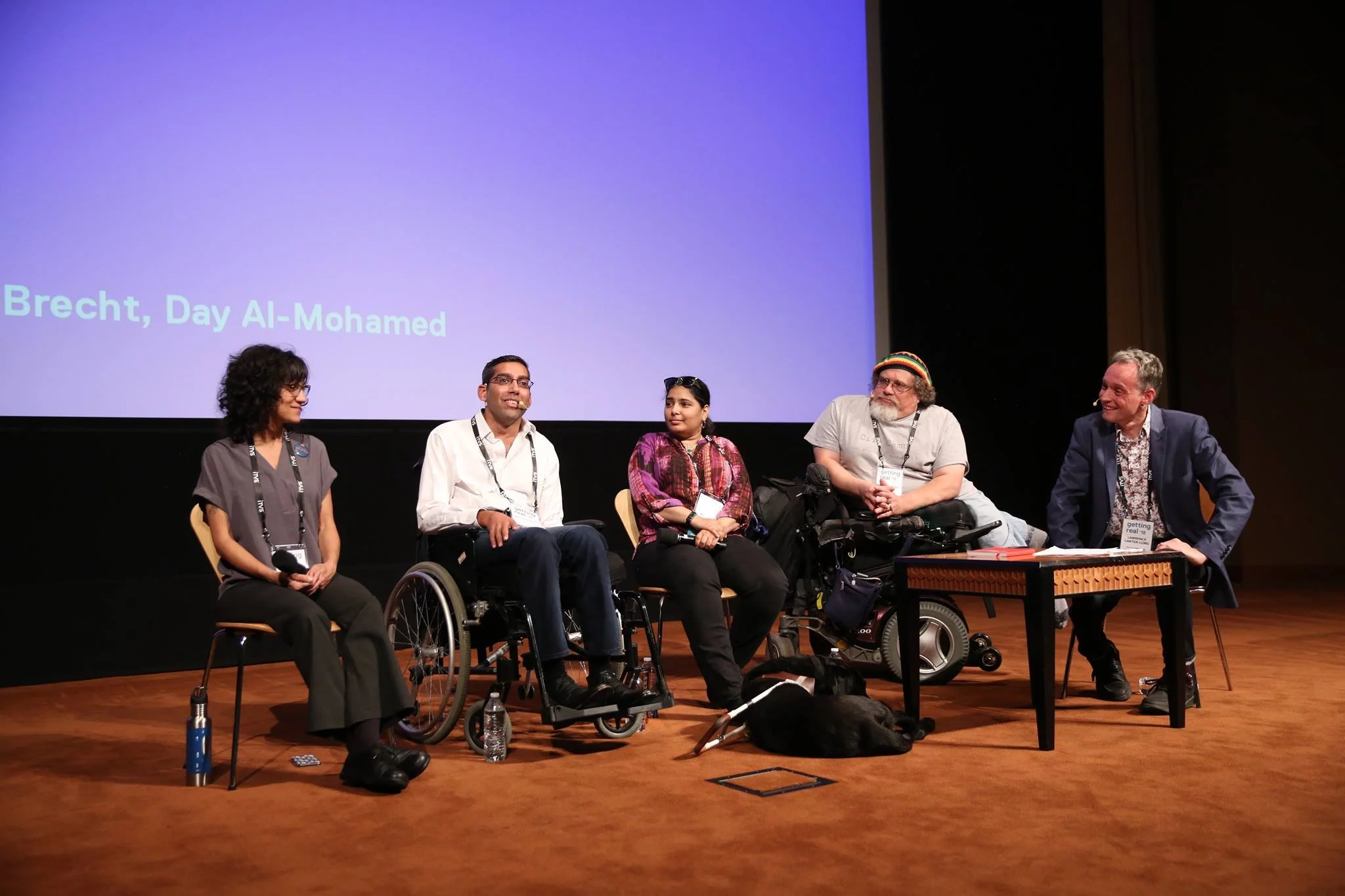
FWD-Doc is a global, intersectional community of disabled creators and allies, rooted in documentary film, that champions and elevates stories by, for, and about disabled people across all types of media.
VISION
We envision a thriving and accessible media industry in which disabled creatives can freely produce the stories they want, where disabled stories are told with nuance and authenticity, and that disabled audiences can access media without barriers.
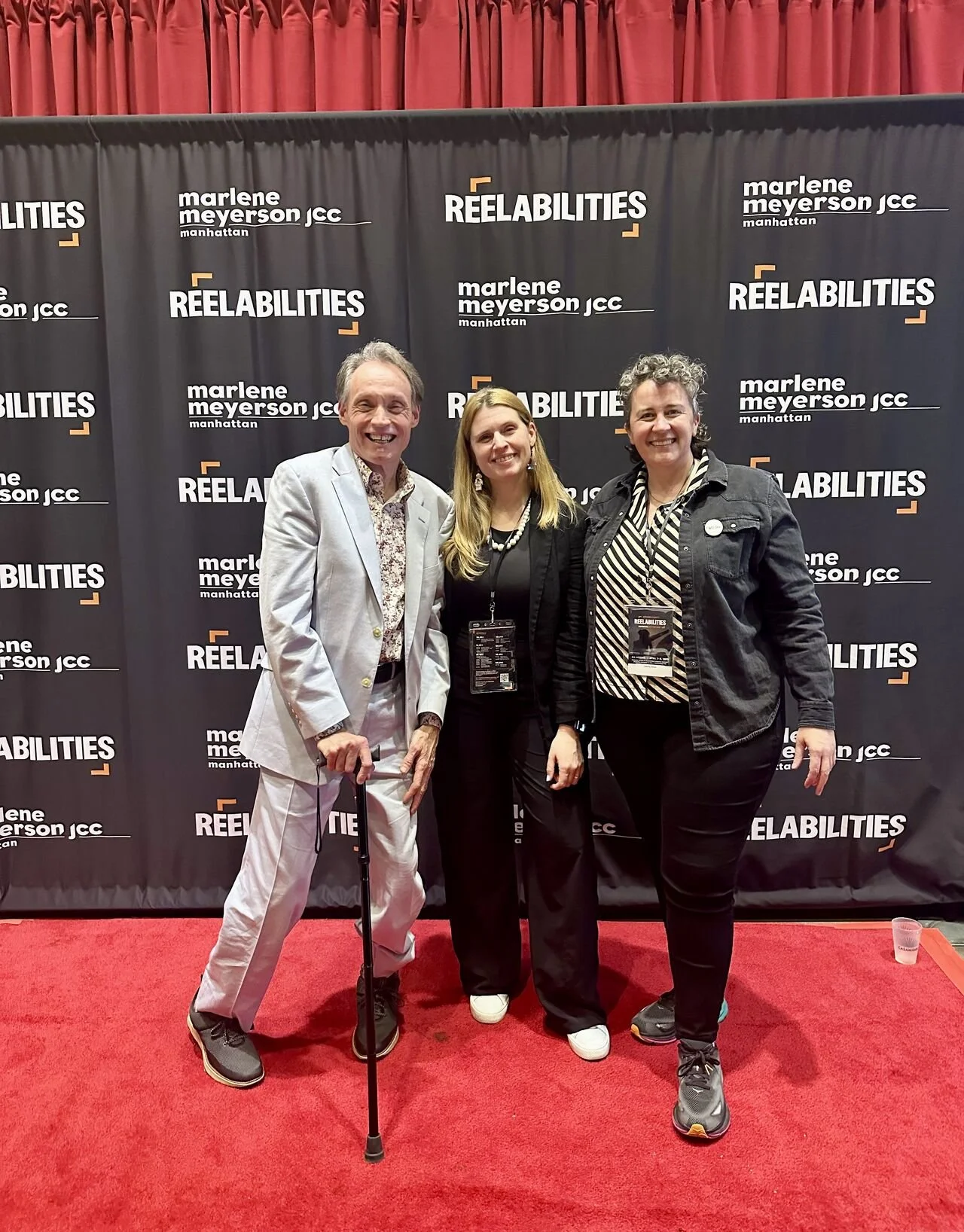
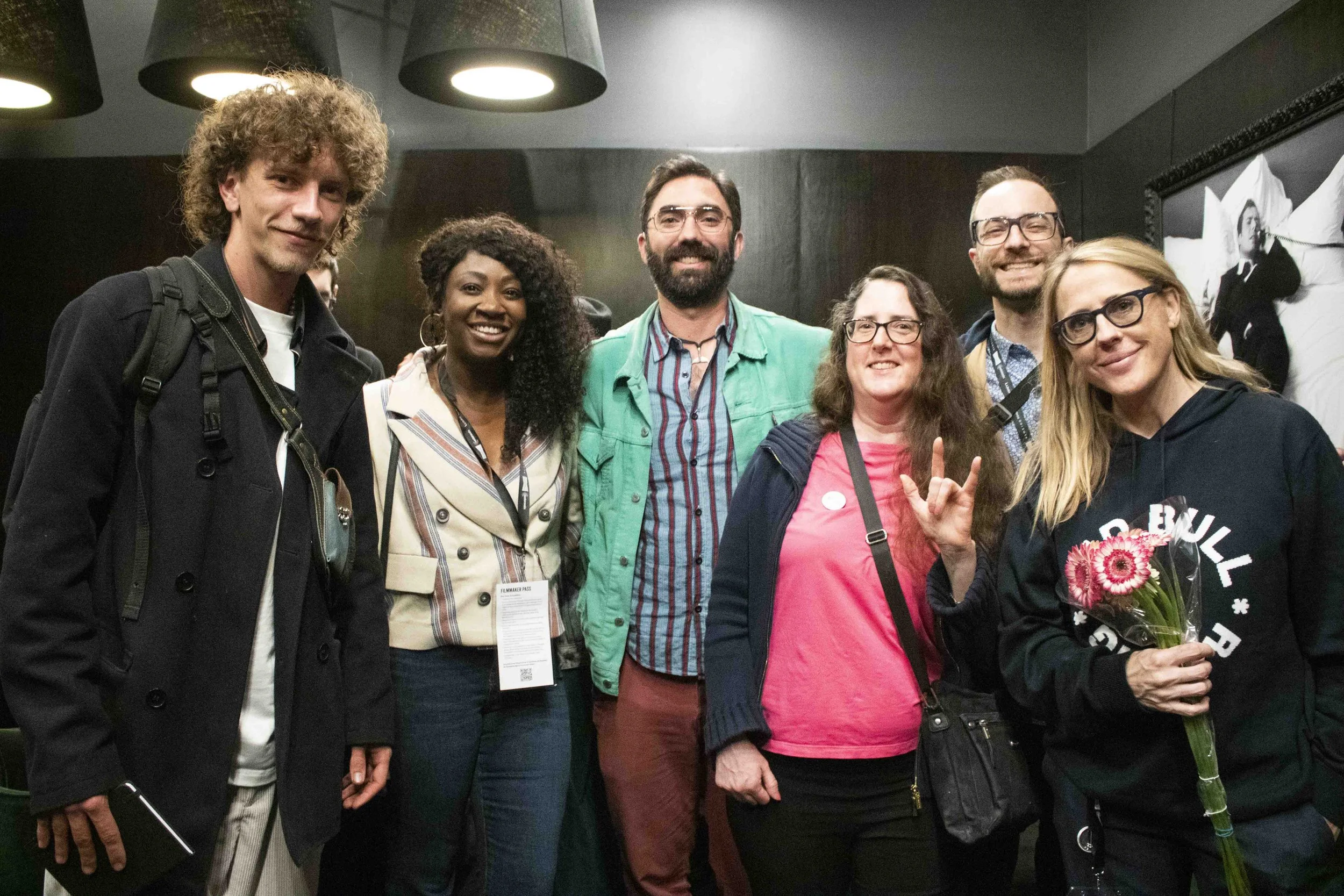
“Disability disrupts, people show up.”
Day Al-Mohamed & Amanda Upson
OUR WORK
As an organization, we are committed to responding to the evolving needs of our members and creating a culture that is inclusive, honest, respectful, collaborative, joyful, and fulfilling.
-
Build community & supportive creative spaces
-
Cultivate & champion disabled media makers and leaders.
-
…Elevate stories by, for, and about people with disabilities.
-
Educate, partner, and advocate for more inclusive, equitable, and accessible practices within the entertainment industry, for filmmakers and audiences.
-
An intersectional community of disabled creators and committed allies, led by disabled makers and doers.
-
Our work, by its nature, challenges the status quo. We aren’t afraid to push the envelope and speak our truth, and we support each other to do so.
-
We support and promote D/deaf, Hard of Hearing (HoH), disabled, and neurodiverse filmmakers into leadership roles within the industry to transform existing hierarchies and make space for all filmmakers with disabilities and other marginalized creators.
-
We are committed to promoting a positive and inclusive work environment. We promote the development of workplace culture where there is accessibility, trust, mutual respect, cooperation, accountability, equity, and recognition of the value of health and well-being of all workers.
OUR VALUES
All of our work is guided by the principles of Disability Justice. We are:
As D/deaf, disabled, and neurodiverse people,* we face discrimination every day. Society tells us that people with disabilities are less-than; that disabilities should be “overcome” or ignored — not an inherent part of humanity that is embraced. The entertainment industry perpetuates and reinforces this ableist narrative. On the rare occasion that we see ourselves on screen, we are very often reduced to objectified tropes of either tragedies or inspirations. We are portrayed either as heroic for just existing; as powerless victims in need of pity; or as “others”: villains, curiosities, or freaks. Film, television, and other media have enabled the negative treatment of disabled people for far too long. This must and will change.
As disabled filmmakers, writers, actors, creatives, and industry professionals, we live full and powerful lives. We know first-hand that media is a powerful tool to drive change. We are committed to using our talents, networks, and stories to rewrite the narrative about disability and disabled people. We celebrate and document the entirety of our existence, and we want the world to do the same.
Use of Disability Language
When we refer use the words “disability” and “disabled”, this includes people who are d/Deaf, HoH (Hard of Hearing), chronically ill, neurodiverse, those with mental health conditions and “invisible” illnesses, and all people who choose to self-identify under any additional terms to describe how one’s life is substantially impacted.
Although person-first language (“people with disabilities”) is a common term in the US, many other cultures find this label problematic, and prefer identity-first language (“disabled people”). We intentionally utilize both terms in all FWD-Doc materials, giving disabled people autonomy over their identities. We defer to and honor individual preferences within the community.
Identity-first language (“disabled person”) uses the social model of disability that also includes d/Deaf, HOH (Hard of Hearing), chronically ill, neurodiverse people, those with mental health conditions, and all people who wish to self-identify under any additional terms.
We believe in an inclusive and expansive definition of disability. This is about identity, community, and barriers placed upon disabled people, not rules to deem people ‘right’ or ‘wrong’.